

Morton's Neuroma
Updated: Aug 27
Morton's Neuroma: A Complete Guide
DR. SARANG DESAI / COMPLETE GUIDE
---
BY DR. SARANG DESAI | Fellowship-Trained Orthopedic Surgeon | Dallas–Fort Worth
If it feels like there's a pebble in your shoe that you can never shake out — or like your sock is bunched up under the ball of your foot when it isn't — you may have a Morton's neuroma.
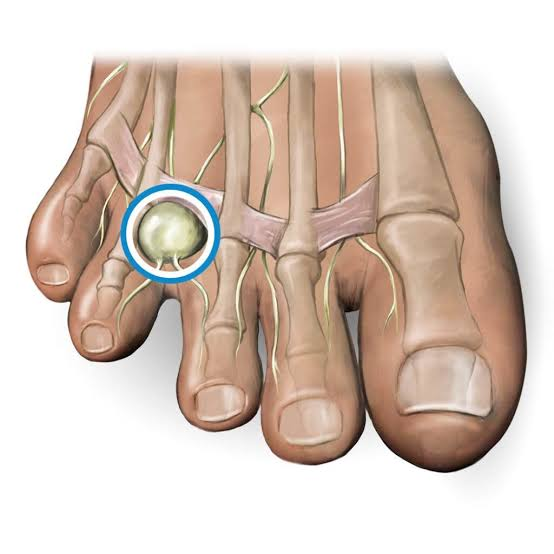
Morton's neuroma is a painful thickening of one of the nerves between your toes, most often the nerve between the third and fourth toes. It causes burning pain in the ball of the foot, numbness or electric-shock sensations in the toes, and the classic feeling of walking on a marble.
Here's the good news, and it's genuinely good: most patients get better without surgery. First-line treatment is simple — activity modification, better shoes, orthotics, and in some cases a corticosteroid injection. Roughly 70% of patients respond to these measures. And for the roughly 30% who don't, surgery for Morton's neuroma has one of the highest satisfaction rates in all of foot and ankle surgery.
This is a complete guide to Morton's neuroma — what it actually is (it's not what most people think), why it happens, how it's diagnosed, every treatment option, and what recovery really looks like.
---
PATIENT GUIDE
Key Takeaways
- Morton's neuroma is not a tumor. Despite the name, it is not a growth or cancer. It is thickening and scarring around a nerve — specifically epineural and perineural fibrosis with decreased myelination.
- It most commonly affects the third digital nerve, in the space between the third and fourth toes.
- The hallmark symptoms are burning pain between the metatarsal heads, pain radiating into two adjacent toes, and numbness or "electrical sensations."
- Among patients who eventually had surgery, 91% reported pain worse with walking, 86% worse with tight shoes, and 81% relief with rest.
- The diagnosis is usually clinical. In one study, clinical assessment had 96.5% sensitivity for correctly diagnosing and locating a neuroma — higher than both ultrasound (83.6%) and MRI (93.6%).
- First-line treatment is nonoperative: activity restriction, wide toe-box shoes, orthotics with a metatarsal pad, and corticosteroid injection.
- Corticosteroid injection provides short-term relief (roughly 1 week to 3 months) with a meaningful benefit over anesthetic alone in a randomized trial of 131 patients.
- About 30% of patients ultimately need surgery. In a systematic review of 469 patients treated with ultrasound-guided steroid injection, 29.85% went on to an operation.
- Surgical results are excellent. Neurectomy produces more than 95% pain reduction, and a long-term JBJS study of 160 patients followed a median of 7.1 years found 89.4% good results.
---
PATIENT GUIDE
What Patients Need to Know First
Before the details, here are the practical realities I discuss with nearly every patient in clinic:
The name is misleading. "Neuroma" sounds like a tumor. It isn't. Histologically, Morton's neuromas are not nodules or tumors — they're characterized by fibrosis (scarring) around and within the nerve sheath and loss of the nerve's insulating myelin. Nothing needs to be "removed before it spreads." Nobody has ever needed chemotherapy for a Morton's neuroma.
Your shoes matter more than almost anything else. Tight, narrow, pointed, or high-heeled shoes compress the forefoot and squeeze the nerve. This is the single most modifiable factor, and for a meaningful number of patients, changing footwear alone substantially improves symptoms.
You do not need an MRI to be diagnosed. This surprises people. A skilled examination is actually more sensitive than imaging. Imaging is useful for ruling out other problems or clarifying atypical cases — not for making the routine diagnosis.
Numbness after surgery is expected, not a complication. If the nerve is removed, the skin between those two toes goes permanently numb. Patients who understand this ahead of time are almost universally fine with it. Patients who aren't told are understandably upset. I make sure every surgical patient knows this before we schedule.
Don't wait years. If pain is severe or hasn't improved after about 6 weeks of conservative management, that's the point to see a specialist. Living with it for years doesn't make the eventual treatment easier.
---
DEEP DIVE
Anatomy: What's Actually Going On
The nerves that supply sensation to your toes — the common plantar digital nerves — travel along the bottom of your foot, pass between the long bones of the forefoot (the metatarsals), and then split to supply the facing sides of two adjacent toes.
Just above these nerves sits the deep transverse metatarsal ligament, a band that connects the metatarsal heads. The nerve passes underneath it. That's the pinch point.
Why the third webspace? Morton's neuroma most commonly involves the third digital nerve — the space between the third and fourth toes. Several anatomic explanations have been proposed, including that this nerve receives contributions from both the medial and lateral plantar nerves (making it thicker), and that there's more motion between the third and fourth metatarsals than elsewhere in the forefoot. The second webspace is the next most common site.
What the tissue actually looks like under a microscope: Not a mass. Not a tumor. Instead, pathologists see epineural and perineural fibrosis — scarring around the outside and within the layers of the nerve — along with decreased myelination, meaning the nerve's insulating sheath has degraded. Compared with autopsy controls, the affected nerves are enlarged.
The honest caveat: despite decades of study, no clear cause has been proven. We understand the pathology well. We understand the mechanics reasonably well. But the definitive "why" remains unsettled — and any source that tells you otherwise is overstating the evidence.
---
PATIENT GUIDE
Causes and Risk Factors
Because no single etiology has been proven, risk factors are best understood as things that increase compression, traction, or repetitive irritation of the nerve.
Footwear factors — the most modifiable:
- High-heeled shoes — shift body weight onto the forefoot and increase pressure across the metatarsal heads
- Narrow or pointed toe boxes — squeeze the metatarsals together, compressing the nerve between them
- Tight, constrictive shoes of any kind — 86% of surgical patients report worsening pain with tight shoes
- Minimalist or thin-soled shoes on hard surfaces — reduce forefoot cushioning
Activity factors:
- High-impact running, particularly high weekly mileage
- Court sports (tennis, pickleball, basketball) with repetitive forefoot loading and cutting
- Dance — especially ballet, with sustained forefoot weight-bearing
- Cycling with stiff-soled shoes and narrow cleats
- Prolonged standing or walking on hard surfaces
Foot structure factors:
- Flatfoot or excessive pronation — alters forefoot loading
- High arches (cavus foot) — concentrates pressure on the metatarsal heads
- Bunions (hallux valgus) — crowd the forefoot and shift load laterally
- Hammertoes — pull the protective fat pad forward, off the metatarsal heads
- Tight calf muscles — increase forefoot pressure during push-off
Demographics:
Morton's neuroma is substantially more common in women than men, and the footwear connection is generally considered a major reason why. Most patients present in middle age.
A note on athletes: In runners and court-sport athletes, forefoot pain is frequently misattributed to a metatarsal stress fracture. The distinction matters enormously — a stress fracture requires protected weight-bearing and can progress to a complete fracture; a neuroma does not. Any athlete with forefoot pain that isn't resolving deserves a proper evaluation rather than a guess.
---
PATIENT GUIDE
Symptoms: What Morton's Neuroma Feels Like
The symptom pattern is distinctive enough that experienced examiners can often make the diagnosis from the history alone.
Classic Symptoms
- Burning pain in the ball of the foot, located between the metatarsal heads rather than directly on the bone
- Pain radiating into two adjacent toes — typically the third and fourth
- Numbness in the toes on either side of the affected space
- "Electrical" sensations — shooting, zapping, or shock-like
- The pebble sensation — feeling as though you're walking on a marble, stone, or bunched-up sock
- Cramping in the forefoot
What Makes It Worse
The pattern of aggravating factors is remarkably consistent. Among patients who ultimately underwent excision:
- 91% reported worsening with walking
- 86% reported worsening with tight shoes
- 79% reported pain when stretching the toes
What Makes It Better
- 81% reported relief with rest
- Taking the shoe off and massaging the forefoot — so characteristic that patients often describe doing it in restaurants, at their desk, or in the car
- Going barefoot on soft surfaces
- Wide, cushioned shoes
Symptoms That Should Make You Question the Diagnosis
- Pain directly on the bone rather than between the metatarsals → consider stress fracture
- Pain under a single metatarsal head with swelling and toe drift → consider plantar plate tear
- Numbness across the whole forefoot or foot → consider tarsal tunnel syndrome, lumbar radiculopathy, or peripheral neuropathy
- Bilateral symmetric burning and numbness in both feet → consider peripheral neuropathy, particularly with diabetes
- Night pain unrelated to activity, or constant unremitting pain → warrants evaluation for other causes
---
PATIENT GUIDE
Diagnosis: How Morton's Neuroma Is Confirmed
The Physical Examination
Morton's neuroma can be diagnosed based on clinical history and physical examination. That's the key point, and it's supported by strong data.
Three examination findings carry most of the weight:
1. Webspace tenderness (the thumb–index finger squeeze test)
Pinching the affected webspace between the thumb (from below) and index finger (from above) reproduces the patient's characteristic pain. This is the most fundamental finding.
2. Mulder sign
The examiner squeezes the forefoot from side to side (medial to lateral) while simultaneously pressing on the webspace. A palpable — and often audible — click occurs as the thickened nerve is pushed out from between the metatarsal heads. When present with reproduction of the patient's typical pain, it's highly suggestive.
3. Tinel sign
Direct pressure or tapping on the intermetatarsal space produces radiating, electric-type pain into the affected toes.
How accurate is the exam? Very. Among patients who underwent surgery for a clinically diagnosed Morton's neuroma, 97.5% (95% CI, 95%–100%) had histologically proven Morton's neuroma. A separate study of 101 patients found that clinical assessment correctly diagnosed and localized the neuroma with 96.5% sensitivity — statistically better than ultrasound (83.6% diagnosis, 79.5% localization) and better than MRI (93.6%). The authors concluded that preoperative clinical assessment has the highest sensitivity of any method for accurately diagnosing interdigital neuroma.
This is worth sitting with: a good exam beats an MRI here. That is not true for most orthopedic conditions, and it's the main reason a specialist evaluation is so valuable in this particular diagnosis.
Imaging: When Each Study Is Useful
X-rays (weight-bearing)
- A neuroma will not appear on an X-ray — nerves aren't visible on plain film
- X-rays are ordered to rule out other conditions: metatarsal stress fracture, arthritis, Freiberg's infraction (avascular necrosis of a metatarsal head), and bony deformity
- The American College of Foot and Ankle Surgeons recommends radiographs be routinely ordered to rule out musculoskeletal pathology
- Interestingly, research has found no statistically significant relationship between radiographic metatarsal spacing and the presence of a neuroma — so X-rays cannot predict who has one
Ultrasound
- Shows the neuroma as an ovoid, hypoechoic mass parallel to the long axis of the metatarsals, best seen on the coronal view
- Advantages: fast, no radiation, inexpensive, and dynamic — the sonographer can compress the forefoot while imaging
- Can be used to guide injections
- Limitation: operator-dependent
- Reported performance: sensitivity 91% (95% CI, 83%–96%), specificity 85% (95% CI, 41%–100%) — note how wide that specificity confidence interval is
MRI
- Shows the neuroma as a well-demarcated mass with low signal intensity, best identified on T1-weighted images
- Reported performance: sensitivity 90% (95% CI, 82%–96%), specificity 100% (95% CI, 73%–100%)
- A systematic review found no significant difference between ultrasound and MRI for diagnosing Morton's neuroma
- ACFAS guidance: MRI should be reserved for atypical presentations or to rule out multiple neuromas
- MRI is also excellent for identifying intermetatarsal bursitis and is the imaging study of choice for plantar plate tears — the two conditions most often confused with neuroma
- Gadolinium contrast is not essential for detecting a neuroma, though it may improve detection through better soft-tissue contrast
Practical summary of the workup:
What It Shows | When to Order | |
Clinical exam | Squeeze test, Mulder sign, Tinel sign | Always — highest sensitivity of any method (96.5%) |
Weight-bearing X-ray | Bone pathology, not the neuroma itself | Routinely, to exclude stress fracture, arthritis, Freiberg's |
Ultrasound | Hypoechoic ovoid mass; dynamic assessment | When diagnosis is unclear; to guide injection |
MRI | Low-signal T1 mass; bursitis; plantar plate | Atypical presentation, suspected multiple neuromas, surgical planning |
The following figure from the JAMA review illustrates the anatomy of the interdigital nerves, the location where Morton's neuroma develops, and the two key examination maneuvers — the Mulder sign and Tinel sign — alongside a treatment algorithm.
FIGURE NOTE Figure 1 — Overview of the Pathophysiology, Diagnosis, and Treatment of Morton Neuroma
---
DEEP DIVE
What Else Could It Be?
Forefoot pain has a long differential. These are the conditions I most commonly see mistaken for a neuroma:
- Metatarsal stress fracture — Pain directly on the bone rather than between metatarsals; focal bony tenderness; common in runners increasing mileage. This is the most important one not to miss. See our guide to stress fractures of the foot and ankle.
- Plantar plate tear — Pain under a single metatarsal head (usually the second), swelling, and the toe beginning to drift or elevate. MRI is the study of choice.
- Intermetatarsal bursitis — Inflammation of the bursa in the same webspace. Can coexist with a neuroma and can be difficult to distinguish clinically; MRI shows increased fluid in the bursa.
- Metatarsalgia — Generic overload pain under the metatarsal heads without nerve symptoms. No burning, no numbness, no Mulder click.
- Freiberg's infraction — Avascular necrosis of a metatarsal head, typically the second. Visible on X-ray.
- Peripheral neuropathy — Bilateral, symmetric, often stocking-distribution numbness and burning. Common in diabetes. Not localized to one webspace.
- Tarsal tunnel syndrome — Nerve compression at the inner ankle causing more diffuse foot burning and numbness.
- Lumbar radiculopathy — Nerve root compression in the back referring pain to the foot. Look for back pain and symptoms above the ankle.
- MTP joint synovitis or arthritis — Pain and swelling at the joint itself, worse with toe motion.
Getting this right matters. A runner treated for a "neuroma" who actually has a metatarsal stress fracture can go on to a complete fracture.
---
PATIENT GUIDE
Treatment: Nonoperative Management
First-line therapy for Morton's neuroma is nonoperative: activity restriction, orthotics, and corticosteroid injection. This is the clear consensus from the JAMA review, and roughly 70% of patients will respond.
1. Footwear Modification — Start Here
This is the highest-yield, lowest-cost intervention, and it's frequently under-emphasized.
- Wide toe-box shoes — the forefoot needs room. If your foot is wider than the sole of your shoe, the shoe is too narrow.
- Increased cushioning — reduces impact transmitted through the metatarsal heads
- Avoid high heels — they load the forefoot directly. This recommendation is explicit in the evidence.
- Avoid pointed shoes — the shape itself compresses the nerve
- Rocker-bottom or stiff-soled shoes — reduce forefoot bending at push-off, which reduces nerve traction
A practical test I give patients: take the insole out of your shoe, stand on it, and look at your foot. If your foot spills over the edges, the shoe is too narrow — regardless of what size the box says.
2. Activity Modification
Reducing the activities that provoke symptoms is part of first-line care. For athletes, this usually means:
- Temporarily reducing running volume or switching to softer surfaces
- Substituting cycling (with a stiffer, wider shoe), swimming, or elliptical work
- Reducing time in cleats, court shoes, or dance shoes
- Avoiding prolonged barefoot walking on hard floors
This is temporary load reduction, not indefinite rest.
3. Orthotics and Metatarsal Pads
Prefabricated orthotics with metatarsal or neuroma pads are a reasonable and inexpensive starting point. The metatarsal pad sits just behind the metatarsal heads and works by spreading the metatarsals slightly and offloading the compressed webspace. Placement matters — a pad in the wrong position can make symptoms worse.
Custom orthoses may provide additional relief. The best evidence comes from a double-blind randomized trial of 72 participants comparing custom-made insoles (with longitudinal arch support plus support just behind the metatarsal heads) against flat non-custom insoles:
- Custom insoles: pain decreased from 5.8 to 2.7 on a 0–10 scale at 24 months
- Non-custom flat insoles: pain decreased from 6.1 to 4.7
- The difference favored custom insoles (P = .048)
Two honest observations about this trial: the custom group did better, but both groups improved — and the difference, while statistically significant, was modest. This is real but not dramatic evidence. Starting with a well-placed over-the-counter metatarsal pad before investing in custom orthoses is a reasonable approach for many patients.
4. Corticosteroid Injection
Corticosteroid injection may provide short-term pain reduction — roughly 1 week to 3 months.
The best evidence is a patient-blinded randomized trial of 131 patients comparing a single injection of methylprednisolone plus local anesthetic versus local anesthetic alone:
- The steroid group had better improvement on the patient global assessment of foot health at 3 months
- Mean difference: 14.1 points (95% CI, 5.5–22.8); P = .002 on a 0–100 scale
So the benefit is real, measurable, and modest — and importantly, it is short-term. Patients should be counseled accordingly. An injection that helps for two months and then wears off is not a treatment failure; it's the expected behavior of this intervention.
Practical points on injections:
- Ultrasound guidance improves accuracy of placement into the webspace
- Repeated steroid injections carry risks in the forefoot, including fat pad atrophy (thinning of the natural cushion under the metatarsal heads), skin depigmentation, and — in the setting of an adjacent plantar plate — potential weakening of soft tissue structures. This argues against unlimited repeat injections.
- A diagnostic benefit exists as well: temporary relief after a well-placed webspace injection helps confirm the diagnosis and confirm which space is responsible when the exam is ambiguous
5. Other Nonoperative Options
The 2024 Cochrane review identified several other nonsurgical treatments that have been studied:
- Forefoot mobilization — manual therapy to the forefoot bones and soft tissues
- Shockwave therapy (ESWT)
- Alcohol (sclerosing) injections — chemical ablation of the nerve
- Radiofrequency ablation and cryoablation
The candid assessment: the evidence base for these is limited. The Cochrane review found that studies of foot orthoses, forefoot mobilization, and surgical neurolysis did not meet the requirements for inclusion in their analysis — meaning the trials were too few, too small, or too methodologically limited. That doesn't mean these treatments never help individual patients. It means we cannot claim they are proven, and patients should know the difference between "this is supported by randomized trials" and "this is sometimes tried."
Alcohol sclerosing injections in particular have shown mixed results in the literature and can produce complications including local tissue damage. I discuss them with patients as an option with uncertain evidence rather than a standard recommendation.
6. NSAIDs
Oral anti-inflammatories can help with associated inflammation and bursitis, but a neuroma is fundamentally a nerve compression and fibrosis problem, not an inflammatory one. NSAIDs are an adjunct, not a solution.
---
PATIENT GUIDE
When Is Surgery Needed?
If pain is severe or not relieved after 6 weeks of conservative management, referral to a specialist surgeon is warranted. That's the threshold stated in the JAMA review, and it's a reasonable one.
How Often Is Surgery Needed?
Approximately 30% of patients do not respond to conservative treatment. In a systematic review of 469 patients who underwent ultrasound-guided corticosteroid injection, 140 (29.85%) eventually underwent operative treatment — typically because of severe pain that limited walking.
Put another way: roughly 7 in 10 patients avoid surgery. But if you're in the other 3, surgery works well.
Indications for Surgery
- Persistent pain despite an adequate trial of footwear modification, orthotics, and injection
- Pain severe enough to limit walking — this is the most common tipping point
- Recurrent symptoms after temporary relief from injections
- Inability to tolerate the footwear restrictions required for symptom control
The Main Operation: Neurectomy
Operative treatment typically consists of excising the common interdigital nerve — a neurectomy. The surgeon removes the thickened segment of nerve along with a portion of the healthy nerve proximal to it, positioning the cut end away from the weight-bearing surface.
Results are excellent: more than 95% pain reduction as measured by VAS score.
Dorsal versus plantar approach
There are two ways to reach the nerve — through an incision on the top of the foot (dorsal) or the bottom (plantar). This has been debated for decades.
The 2024 Cochrane review identified one randomized study comparing them. At 12 months or more, the dorsal approach:
- May make little to no difference to satisfaction (1 study, 73 people)
- May make little to no difference to serious unwanted effects (1 study, 75 people)
Adverse events occurred in 11 of 75 patients:
- Plantar group: painful scar, foreign-body reaction
- Dorsal group: infection, wound reopening, deep vein thrombosis, and plantar reoperation for pain
The Cochrane authors rated this evidence as low certainty. Practically, most surgeons in the United States use the dorsal approach, because it avoids an incision on the weight-bearing surface of the foot and allows earlier weight-bearing.
That said, the plantar approach has strong long-term data. A JBJS study of 168 consecutive patients treated through a distal transverse plantar incision, with 160 patients (204 feet, 227 neuromas) followed a median of 7.1 ± 3.9 years (range 1–21 years), found:
- Good result: 143 patients (89.4%)
- Fair result: 11 patients (6.9%) — all scar-related issues: skin hardening, numbness at the incision, discomfort in heels, local paresthesias, with no recurrence
- Poor result: 6 patients (3.8%) — pain and paresthesias, with recurrence confirmed at reoperation
The authors concluded that the plantar approach is comparable with other surgical approaches. The honest summary: both approaches work, the evidence does not strongly favor one, and surgeon experience with a given technique likely matters more than the technique itself.
Alternative Surgical Options
Nerve decompression (neurolysis) — Releasing the deep transverse metatarsal ligament to decompress the nerve without removing it. The theoretical advantage is preserving sensation. The Cochrane review noted that studies of surgical neurolysis did not meet criteria for inclusion in their analysis, so high-quality comparative evidence is lacking.
Minimally invasive DMMO with DTML release — A newer percutaneous approach combining distal metatarsal metaphyseal osteotomy with release of the deep transverse metatarsal ligament, without removing the nerve. In a series of 27 patients (29 feet) followed a minimum of two years:
- VAS pain decreased by 5.7 points (p < .001)
- AOFAS score increased by 19.9 points (p < .001)
- 89.7% of patients were satisfied, rating the outcome excellent or good
- One superficial infection; one patient required subsequent neurectomy
The authors framed this in the context of neurectomy having "significant rates of patient dissatisfaction" — a fair point that reflects a genuine tension in the literature. Nerve-preserving techniques are a legitimate area of active investigation, but this is a small case series, not a randomized trial, and it should be presented to patients as such.
Risks of Surgery
- Permanent numbness between the affected toes — this is expected, not a complication, when the nerve is removed. Patients must understand this before surgery.
- Stump neuroma — a painful scar can form at the cut end of the nerve. This is the most concerning complication and the main cause of persistent pain after otherwise well-performed surgery.
- Recurrence — 3.8% had confirmed recurrence in the long-term JBJS series
- Painful scar — more of a concern with plantar incisions
- Infection and wound healing problems
- Blood clot (DVT) — reported in the dorsal group of the randomized comparison
- Incomplete pain relief — some patients have more than one pain generator
- Transfer metatarsalgia — pain shifting to an adjacent metatarsal
I'm direct with patients about the numbness. Nearly everyone accepts a numb patch of skin between two toes in exchange for eliminating burning pain that limits walking. But that trade needs to be an informed choice, not a surprise.
---
PATIENT GUIDE
Recovery Expectations
Recovery from Morton's neuroma surgery is considerably faster than most foot and ankle procedures — one of the reasons patient satisfaction is high. Protocols vary by surgeon and approach.
After a Dorsal Neurectomy (Most Common)
Days 0–3
- Bulky dressing, postoperative shoe
- Weight-bearing on the heel in a stiff-soled postoperative shoe is typically allowed immediately or within a few days
- Elevation is critical — swelling drives early discomfort
Week 1–2
- Sutures typically removed around 10–14 days
- Continue postoperative shoe
- Gradual increase in walking distance
Weeks 2–4
- Transition to a wide, supportive athletic shoe as swelling allows
- Toe range-of-motion and gentle scar work begin
- Desk work is often possible within the first week or two; jobs requiring prolonged standing take longer
Weeks 4–8
- Most patients walking comfortably in normal shoes
- Return to stationary cycling and elliptical
- Swelling still present at the end of the day — normal
Months 2–4
- Return to running typically in this window, once swelling has resolved and the foot tolerates impact
- Return to court sports (tennis, pickleball, basketball) generally toward the later end
- Full, unrestricted athletic activity commonly by 3 to 4 months
Months 4–12
- Residual forefoot swelling can persist for several months — this is normal and not a sign of failure
- Scar sensitivity gradually resolves
- Numbness between the toes is permanent and typically stops being noticeable within months
After a Plantar Neurectomy
Recovery is generally slower early on, because the incision is on the weight-bearing surface. Protected weight-bearing is usually required for the first 2–3 weeks to protect the incision, with a corresponding delay in return to full activity. The long-term outcomes, as noted, are comparable.
Realistic Expectations
- Most patients notice the burning pain is gone immediately after surgery — the offending nerve is no longer there
- Swelling and incisional discomfort are the main early complaints, not the original neuroma pain
- High-heeled shoes may remain uncomfortable indefinitely, and I generally counsel patients not to return to them
---
PATIENT GUIDE
Prevention
You cannot change your foot shape, but several factors are genuinely modifiable:
- Wear shoes with a wide toe box. This is the single most effective preventive measure.
- Limit high heels. If they're necessary occasionally, limit duration and heel height, and change into supportive shoes when possible.
- Replace athletic shoes regularly — roughly every 300–500 miles for running shoes
- Use a metatarsal pad if you're prone to forefoot pain
- Increase training load gradually — abrupt increases in mileage or court time drive most overuse forefoot problems
- Address contributing deformities — bunions and hammertoes crowd the forefoot; treating them may reduce neuroma risk
- Stretch the calves — a tight calf increases forefoot pressure at push-off
- Don't ignore early symptoms. Burning forefoot pain that persists more than a few weeks is worth evaluating while it's still easily managed.
---
PATIENT GUIDE
Frequently Asked Questions
What is a Morton's neuroma?
Morton's neuroma is a painful thickening of one of the nerves between the toes, most commonly the nerve in the third webspace (between the third and fourth toes). Under the microscope it consists of scarring around and within the nerve sheath along with loss of myelin — the nerve's insulating layer. It causes burning pain, numbness, and the sensation of walking on a pebble.
---
Is Morton's neuroma a tumor or cancer?
No. Despite the name, Morton's neuromas are not nodules or tumors. They are areas of fibrosis and nerve thickening. There is no cancer risk and no need to remove it "before it spreads."
---
What does Morton's neuroma feel like?
Burning pain in the ball of the foot between the metatarsal heads, radiating into two adjacent toes, often with numbness or electric-shock sensations. Many patients describe feeling like there is a pebble, marble, or bunched-up sock under the ball of the foot. Pain typically worsens with walking (91% of surgical patients) and tight shoes (86%), and improves with rest (81%).
---
Which toes does Morton's neuroma affect?
Most commonly the third and fourth toes, because the third digital nerve is the most frequently affected. The second webspace (between the second and third toes) is the next most common location.
---
Do I need an MRI to diagnose Morton's neuroma?
Usually not. The diagnosis can typically be made from history and physical examination. In fact, clinical assessment had 96.5% sensitivity for correctly diagnosing and localizing the neuroma in one study — better than ultrasound (83.6%) or MRI (93.6%). MRI is best reserved for atypical presentations, suspected multiple neuromas, or when another diagnosis such as a plantar plate tear is suspected.
---
Will a Morton's neuroma go away on its own?
The nerve thickening itself does not reverse. But symptoms frequently improve substantially with footwear changes, activity modification, orthotics, and injection — roughly 70% of patients avoid surgery. Symptom control, not anatomic reversal, is the realistic goal of nonoperative treatment.
---
Morton's Neuroma: A Complete Guide
PATIENT GUIDE
Frequently Asked Questions (continued)
Does a cortisone shot cure Morton's neuroma?
It is not a cure, but it does help. A randomized trial of 131 patients found corticosteroid plus anesthetic produced better foot health scores at 3 months than anesthetic alone (mean difference 14.1 points on a 0–100 scale). The relief is typically short-term — about 1 week to 3 months. Repeated injections carry risks including fat pad atrophy and skin depigmentation, so unlimited repeat injections are not advisable.[1]
---
How many cortisone shots can I have?
There is no universally agreed-upon number. Most foot and ankle surgeons limit injections into the same webspace because of the risk of thinning the natural fat cushion under the metatarsal heads and weakening nearby soft tissue. If a patient needs repeated injections just to walk comfortably, that pattern itself is generally an indication to discuss surgery rather than continue injecting.[1]
---
Do orthotics really work for Morton's neuroma?
They help, modestly. In a double-blind randomized trial of 72 participants, custom insoles with arch support and support behind the metatarsal heads reduced pain from 5.8 to 2.7 at 24 months, compared with 6.1 to 4.7 for flat non-custom insoles (P = .048).[1] Both groups improved. A well-placed over-the-counter metatarsal pad is a reasonable, inexpensive first step before investing in custom devices.
---
What shoes are best for Morton's neuroma?
Wide toe box, good cushioning, and a stiff or rocker-bottom sole. High heels and pointed shoes should be avoided — they are explicitly identified as aggravating factors.[1] A simple test: pull the insole out of the shoe and stand on it. If your foot spills over the edges, the shoe is too narrow no matter what the size label says.
---
Can I keep running with a Morton's neuroma?
Many patients can, with modifications — wider shoes, a metatarsal pad, reduced mileage, and softer surfaces. What matters is whether symptoms are stable or escalating. Persistent forefoot pain in a runner should also prompt consideration of a metatarsal stress fracture, which is managed very differently.
---
How long should I try nonoperative treatment before considering surgery?
If pain is severe or has not improved after about 6 weeks of conservative management, referral to a specialist surgeon is warranted.[1] That does not mean surgery at 6 weeks — it means a specialist evaluation at 6 weeks.
---
How successful is Morton's neuroma surgery?
Very. Neurectomy produces more than 95% pain reduction on VAS scoring.[1] A long-term study of 160 patients (204 feet, 227 neuromas) followed a median of 7.1 years reported 89.4% good results, 6.9% fair, and 3.8% poor.[2]
---
Will my toes be numb after surgery?
Yes, if the nerve is removed — and this is expected, not a complication. The skin between the two affected toes becomes permanently numb. Nearly all patients accept this readily in exchange for eliminating pain that limits walking, provided they are told beforehand.
---
Is the incision on the top or the bottom of the foot?
Both approaches are used. A randomized comparison found the dorsal (top) approach may make little to no difference in satisfaction or serious adverse effects at 12 months or more, though this was low-certainty evidence from single small studies.[3] Most US surgeons prefer the dorsal approach because it avoids an incision on the weight-bearing surface and permits earlier walking. The plantar approach has strong long-term data as well.[2]
---
Can Morton's neuroma come back after surgery?
Recurrence is uncommon. In the long-term series, 3.8% had confirmed recurrence at reoperation.[2] More often, persistent pain after surgery is due to a stump neuroma — a painful scar at the cut end of the nerve — rather than true regrowth of the original neuroma.
---
How long until I can walk normally after surgery?
With a dorsal approach, heel weight-bearing in a postoperative shoe usually begins within days, most patients are walking comfortably in normal shoes by 4 to 8 weeks, and return to running typically falls in the 2- to 4-month range. Plantar incisions require a period of protected weight-bearing early on to protect the wound, which delays the timeline.
---
Can you have more than one neuroma?
Yes, and this is one of the specific situations where MRI is genuinely useful. ACFAS guidance recommends reserving MRI for atypical presentations or to rule out multiple neuromas.[4]
---
Are alcohol injections, radiofrequency ablation, or shockwave therapy good options?
These have all been studied, but the evidence base is limited. The 2024 Cochrane review found that trials of several nonsurgical treatments — including foot orthoses, forefoot mobilization, and surgical neurolysis — did not meet the requirements for inclusion in their analysis, reflecting how few high-quality studies exist.[3] These may help individual patients, but they should be presented as options with uncertain evidence rather than proven treatments.
---
Does PRP work for Morton's neuroma?
There is very limited high-quality evidence for PRP in this condition, and it is not part of any standard treatment algorithm. Patients should understand they would be paying out of pocket for a treatment without established benefit here.
---
---
PATIENT GUIDE
Myth vs. Fact
---
MYTH — A neuroma is a tumor that needs to be removed before it grows.
FACT — Morton's neuromas are not nodules or tumors. Histology shows fibrosis around and within the nerve sheath with decreased myelination.[1] There is no cancer risk and no urgency based on growth.
---
MYTH — You need an MRI to diagnose it.
FACT — Clinical assessment had 96.5% sensitivity for correctly diagnosing and localizing interdigital neuroma, outperforming ultrasound (83.6%) and MRI (93.6%).[5] Among surgically treated patients diagnosed clinically, 97.5% had histologically proven neuroma. Imaging clarifies atypical cases; it does not replace a good exam.[1]
---
MYTH — Surgery is the only thing that really works.
FACT — Roughly 70% of patients never need surgery. In a systematic review of 469 patients treated with ultrasound-guided injection, 29.85% went on to operative treatment.[1] Footwear change, orthotics, activity modification, and injection resolve or control symptoms for most people.
---
MYTH — Cortisone shots will fix it permanently.
FACT — Steroid injection provides short-term relief, roughly 1 week to 3 months. It is a valuable tool, but expecting permanence sets patients up for disappointment and leads to repeated injections that carry real risks.[1]
---
MYTH — Expensive custom orthotics are always necessary.
FACT — Custom insoles outperformed flat insoles in a randomized trial, but the difference was modest (2.7 vs. 4.7 on a 0–10 scale at 24 months) and both groups improved. A correctly positioned over-the-counter metatarsal pad is a legitimate first attempt.[1]
---
MYTH — If my foot goes numb after surgery, something went wrong.
FACT — When the nerve is excised, numbness between those two toes is the anticipated result of the operation, not a complication. This should be part of the consent conversation every time.
---
MYTH — Any forefoot pain in a runner is a neuroma.
FACT — Metatarsal stress fracture, plantar plate tear, Freiberg's infraction, and intermetatarsal bursitis all present similarly. Neuroma pain is between the metatarsal heads with burning and numbness; stress fracture pain is directly on the bone. Missing a stress fracture can allow it to progress to a complete fracture.
---
MYTH — Nerve-preserving surgery is clearly better because it avoids numbness.
FACT — It is a promising area, not a settled one. A minimally invasive DMMO with deep transverse metatarsal ligament release showed a 5.7-point VAS reduction and 89.7% satisfaction — but in only 27 patients, in a case series without a comparison group.[1] Cochrane found neurolysis studies did not meet criteria for pooled analysis.[3] This should be offered as an option under investigation, not as an established superior alternative.
---
---
EVIDENCE REVIEW
Research Summary
---
THE EXAM IS BETTER THAN THE SCAN.
A study of 101 patients comparing clinical assessment, ultrasound, and MRI found clinical examination correctly diagnosed and localized the neuroma with 96.5% sensitivity, versus 83.6% for ultrasound and 93.6% for MRI. The authors concluded preoperative clinical assessment has the highest sensitivity of any method.[5] Plain-English takeaway: see someone who examines feet for a living before paying for an MRI.
---
NONOPERATIVE TREATMENT WORKS FOR ABOUT 7 IN 10 PATIENTS.
In a systematic review of 469 patients treated with ultrasound-guided corticosteroid injection, 140 (29.85%) eventually underwent surgery — meaning roughly 70% did not.[1] First-line care is activity restriction, footwear change, orthotics, and injection.
---
CORTICOSTEROID INJECTION HELPS — MODESTLY AND TEMPORARILY.
A patient-blinded randomized trial of 131 patients found methylprednisolone plus anesthetic produced better global foot health at 3 months than anesthetic alone (mean difference 14.1 points; 95% CI, 5.5–22.8; P = .002).[1] Real benefit, short duration.
---
CUSTOM INSOLES BEAT FLAT INSOLES, BUT NOT DRAMATICALLY.
A double-blind randomized trial of 72 participants found custom insoles reduced pain from 5.8 to 2.7 at 24 months versus 6.1 to 4.7 for flat insoles (P = .048).[1] Both improved; the advantage was statistically significant but clinically modest.
---
SURGERY IS HIGHLY EFFECTIVE AND DURABLE.
Neurectomy achieves greater than 95% pain reduction on VAS.[1] A JBJS study of 160 patients (227 neuromas) followed a median of 7.1 years (range 1–21) reported 89.4% good, 6.9% fair, and 3.8% poor results, with fair outcomes almost entirely scar-related and no recurrence in that group.[2]
---
THE DORSAL-VERSUS-PLANTAR DEBATE REMAINS UNRESOLVED.
The 2024 Cochrane review found the dorsal approach may make little to no difference to satisfaction (1 study, 73 people) or serious adverse effects (1 study, 75 people) at 12 months or more — low-certainty evidence. Adverse events occurred in 11 of 75 patients, differing in type by approach.[3] Surgeon familiarity likely matters more than the approach itself.
---
MANY POPULAR TREATMENTS LACK HIGH-QUALITY EVIDENCE.
Cochrane reviewers found that studies of foot orthoses, forefoot mobilization, and surgical neurolysis did not meet the requirements for inclusion in their analysis.[3] This is not proof these treatments fail — it is proof the research has not been done well enough to know.
---
---
PATIENT GUIDE
Conclusion
Morton's neuroma is one of the most treatable problems in foot and ankle surgery — provided it is correctly identified.
The essential points:
- It is not a tumor. It is scarring and thickening of an interdigital nerve, most often in the third webspace.[1]
- The diagnosis is clinical. A skilled examination outperforms both ultrasound and MRI, and imaging is for excluding other conditions or clarifying atypical cases.[4][5]
- Start with your shoes. Wide toe boxes, cushioning, and avoiding high heels are the highest-yield interventions and cost the least.[1]
- Roughly 70% of patients get better without surgery using activity modification, orthotics, and injection.[1]
- Corticosteroid injection helps for weeks to a few months — a useful tool, not a cure, and not something to repeat indefinitely.[1]
- When surgery is needed, it works. Greater than 95% pain reduction, and 89.4% good results at a median of 7.1 years.[1][2]
- Numbness between the toes after nerve excision is expected, and patients who know this in advance are overwhelmingly satisfied with the trade.
If you have burning pain in the ball of your foot, numbness in your toes, or that persistent sensation of walking on a pebble — and six weeks of better shoes and activity changes haven't helped — get evaluated.[1] This is a problem with genuinely good solutions, and there is no reason to spend years working around it.
---
---
ABOUT THE AUTHOR
Dr. Sarang Desai
Dr. Sarang Desai is a fellowship-trained orthopedic surgeon specializing in foot and ankle surgery and sports medicine, based in the Dallas–Fort Worth area. A former All-American athlete at the University of Texas, Dr. Desai brings a unique understanding of what it takes to recover from injury and return to peak performance.
Dr. Desai has served as a professional sports team physician and currently owns multiple professional sports teams, giving him a distinctive perspective on athlete care and return-to-play decisions that few surgeons can offer. He is the inventor of multiple orthopedic implants and surgical devices and has authored numerous peer-reviewed scientific publications.
With more than 15 years of clinical experience, Dr. Desai treats everyone from weekend warriors and recreational athletes to collegiate and professional competitors. His practice is built on evidence-based, personalized care — combining the latest research with real-world clinical expertise to help every patient achieve the best possible outcome.
---
---
SCHEDULE AN APPOINTMENT
Get an Expert Evaluation
If you have burning pain in the ball of your foot, numbness in your toes, or the feeling that you're always walking on a pebble — schedule an appointment with Dr. Sarang Desai for an expert evaluation and a clear treatment plan.
SCHEDULE AN EVALUATION
Dr. Sarang Desai
Orthopedic Surgeon – Foot & Ankle & Sports Medicine
Orthopedic Institute of North Texas
Schedule an appointment: (972) 591-6468 Locations: McKinney, TX | Flower Mound, TX
Website: https://www.theachillesdoc.com
Locations:
McKinney, Texas
Flower Mound, Texas
Call our office or request an appointment online to be seen promptly.
References
Common Painful Foot and Ankle Conditions. Cooper MT. JAMA. 2023;330(23):2285-2294. doi:10.1001/jama.2023.23906.
Plantar Approach for Excision of a Morton Neuroma: A Long-Term Follow-Up Study. Nery C, Raduan F, Del Buono A, Asaumi ID, Maffulli N. The Journal of Bone and Joint Surgery. American Volume. 2012;94(7):654-8. doi:10.2106/JBJS.K.00122.
Treatments for Morton's Neuroma. Matthews BG, Thomson CE, Harding MP, McKinley JC, Ware RS. The Cochrane Database of Systematic Reviews. 2024;2:CD014687. doi:10.1002/14651858.CD014687.pub2.
Diagnosis and Treatment of Forefoot Disorders. Section 3. Morton's Intermetatarsal Neuroma. Thomas JL, Blitch EL, Chaney DM, et al. The Journal of Foot and Ankle Surgery : Official Publication of the American College of Foot and Ankle Surgeons. 2009 Mar-Apr;48(2):251-6. doi:10.1053/j.jfas.2008.12.005.
Comparing Clinical Examination and Radiological Evaluation in the Preoperative Diagnosis and Location of Symptomatic Interdigital (Morton's) Neuroma. Franco H, Pagliaro T, Sparti C, Walsh HJ. The Journal of Foot and Ankle Surgery : Official Publication of the American College of Foot and Ankle Surgeons. 2023 Sep-Oct;62(5):883-887. doi:10.1053/j.jfas.2023.06.002.


Comments